
26-01-2026
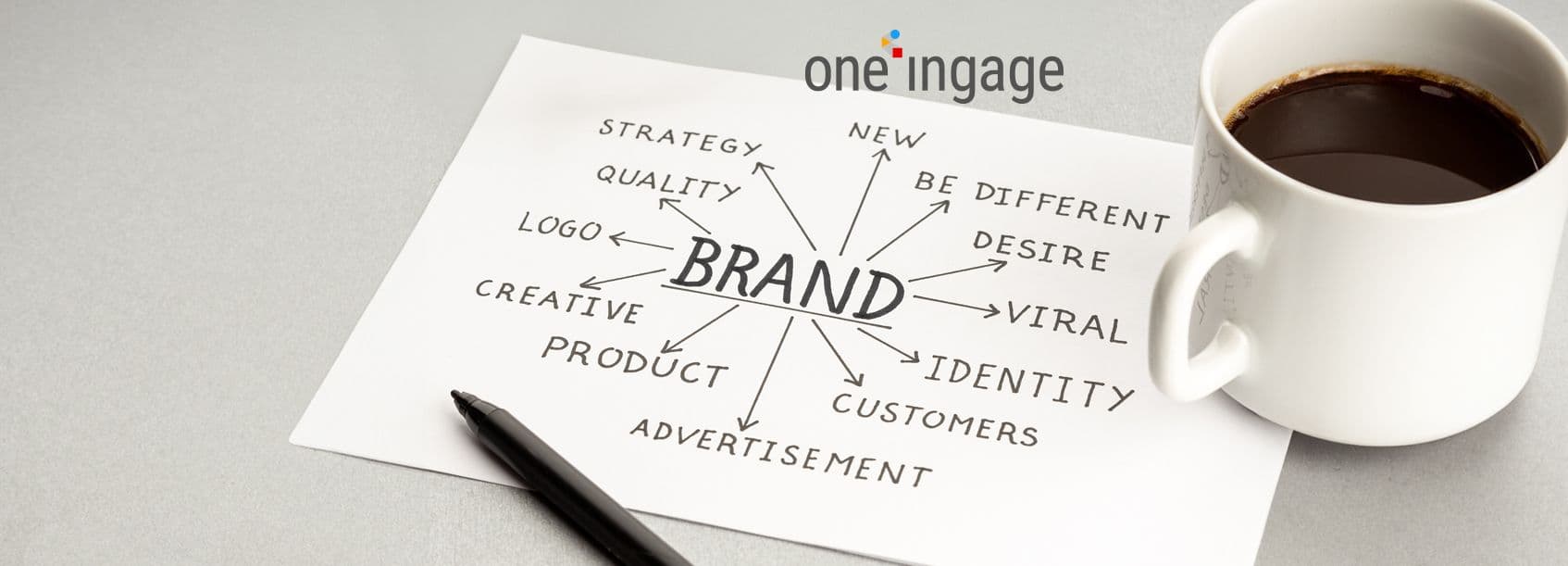


Creating brand guidelines is one of the most effective ways to make your brand look, sound, and feel consistent everywhere your audience meets you. A good brand style guide turns intuition into clear, shareable rules so designers, marketers, and agencies stay aligned. Whether you are refreshing an existing brand or building from scratch, structured guidelines help you protect your brand, speed up production, and build long-term recognition.
Before you start documenting logo rules or tone of voice, it helps to understand what brand guidelines really are and why they sit at the heart of a strong brand. Clear guidelines make it easier for teams to make daily decisions without diluting the brand.
Brand guidelines are a documented set of standards that explain how your brand should be represented visually and verbally across every channel. They usually cover elements like logo usage, color palette, typography, imagery, and tone of voice, as well as rules for digital and offline applications. In practice, they act as a brand rulebook that centralizes how your brand looks, speaks, and behaves so anyone creating content can stay consistent.
Typical elements included in modern brand guidelines:
Purpose, mission, vision, values, and personality
Logos, colors, typography, imagery, icons, and layout rules
Voice, tone, key messages, and copy examples
Web, app, social media, print, and advertising use cases
Ownership, approval workflows, and version control
When everyone uses the same playbook, your brand appears more professional and trustworthy. Consistent branding is linked to stronger recognition, higher trust, and better long-term loyalty, because customers know what to expect from you wherever they meet your brand.
Key benefits of clear brand guidelines include:
Repeated use of the same visuals and messages makes your brand easier to spot and remember
Consistent presentation signals reliability and stability in the eyes of customers
Designers, writers, and agencies waste less time guessing or re-inventing basic elements
As you expand into new channels, regions, or products, guidelines keep everything aligned
Creating brand guidelines should not start in a vacuum. Before you document rules, you need a clear picture of what your brand stands for today and where it needs to go next.
Start with a brand audit to understand how your brand currently appears across touchpoints. Review your website, social media, product packaging, sales decks, and any existing design files, and look for inconsistencies in logos, colors, fonts, imagery, and messaging. Capture the strengths you want to keep and the weak spots that confuse or fragment your identity.
When auditing, it helps to:
Brand guidelines should bring your strategy to life, not replace it. Clarify your positioning first: who you serve, what problem you solve, how you are different, and why that difference matters. This strategic foundation will inform everything else, from color choices to word choices.
Before you decide which shade of blue to use, you need to articulate the deeper foundations of your brand. These elements give your visual and verbal identity a clear direction.
Purpose explains why your brand exists beyond making money, mission describes what you do today, and vision paints where you are heading in the future. Together, they give teams a north star and help keep creative decisions aligned with your long-term goals. Well-articulated statements are short, specific, and easy for employees to repeat.
Brand values describe the principles that guide how you behave and make decisions. Your brand promise is the experience you commit to delivering every time someone interacts with you. Together, they influence both your internal culture and your external communications.
When documenting values and your promise:
Great brand guidelines are anchored in a clear understanding of target audiences. Go beyond demographics and define motivations, pain points, and expectations so your tone, visuals, and content feel natural to them. Personality traits then translate this understanding into a recognizable brand “character”.
To clarify audience and personality:
Your voice and tone make your brand recognizable even when the logo is not visible. Documenting them ensures your written and spoken communication feels coherent across channels.
Brand voice is the overall personality of your communications, while tone adapts slightly based on context or channel. Strong voice guidelines explain how you want to sound in a few clear words and give examples of how that shows up in real messages.
Helpful tone of voice principles might cover:
How you want to come across (for example: clear, optimistic, pragmatic)
How simple or technical your language should be
Where you sit on the spectrum from casual to formal
How expressive, humorous, or serious your messaging should feel
How tone shifts between sales, support, and corporate updates
Messaging pillars are the main themes you want to reinforce again and again. Each pillar represents a core benefit or idea you want people to associate with your brand. Under each pillar, you can create ready-to-use statements, headlines, and short elevator pitches.
When creating messaging pillars:
Practical do’s and don’ts make your brand voice easier to apply. They translate abstract personality traits into concrete language decisions so writers and speakers know what fits and what does not. This is especially helpful for agencies and new team members.
Examples of communication “do’s”:
Examples of communication “don’ts”:
Visual identity is the most visible part of your brand guidelines and often the first place teams look. The goal is to make it very clear how to use your logo, colors, fonts, and imagery correctly.
Logo guidelines explain which logo versions exist, when to use each one, and how to protect legibility and impact. Clear space rules define the minimum distance between your logo and other elements, while size rules ensure it remains readable on different screens and print formats.
Key points to include in logo rules:
Your color palette usually includes primary, secondary, and sometimes accent or neutral colors. Brand guidelines should specify color codes for print and digital (such as HEX, RGB, and CMYK) and explain how to combine colors for backgrounds, typography, and UI elements.
Typography rules make sure text feels like it belongs to your brand, whether on a landing page, presentation, or product screen. Guidelines should define your main typefaces, hierarchy levels, and fallback fonts for situations where brand fonts are unavailable.
Include at least:
Images set the emotional tone for your brand. Guidelines should explain the types of photos, illustrations, and icons that fit your personality and values, as well as those that do not. This helps avoid a mix of clashing stock images and styles.
Define for imagery and icons:
Once you have core visual elements, layout rules and reusable components ensure they are applied consistently, especially in digital products and templates.
Grids and spacing rules create a sense of order and harmony across all layouts. Even simple guidelines on columns, margins, and padding can dramatically improve visual consistency between different designers or teams.
Consider documenting:
If you have digital products, brand guidelines should connect with your design system. Reusable UI components such as buttons, cards, inputs, and navigation patterns should reflect your colors, typography, and interaction states.
For UI and digital patterns, include:
To make guidelines truly practical, show how the brand should appear in real-world marketing and product scenarios. Concrete examples reduce ambiguity.
Your website and app are often the primary touchpoints for your audience. Brand guidelines should cover how logos, colors, typography, and tone of voice come together in headers, product pages, forms, and support sections.
Clarify for digital products:
Social media is where your brand personality is most visible and interactive. Guidelines should explain avatar and cover image rules, post templates, and how your tone of voice adapts per platform while staying consistent overall.
Advertising is where guidelines are stress-tested, especially when multiple agencies are involved. Show a few examples of on-brand campaigns and highlight the elements that make them successful, such as consistent messaging pillars and clear visual hierarchy.
Modern brand guidelines should help you create content that is not only on-brand but also discoverable and trustworthy in search engines.
A content style guide translates brand voice into practical writing rules for blogs, product pages, help centers, and emails. It should cover spelling preferences, grammar rules, formatting standards, and how to structure content for readability.
Key content rules to document:
To align with Google’s E-E-A-T principles, your content should show real experience, expertise, and trustworthiness, backed by accurate information and credible sources. It also needs to be accessible and inclusive so all users can benefit from it.
Practical guidelines for SEO and inclusivity:
Even the best brand guidelines lose value if nobody owns them. Governance ensures your brand stays consistent as teams, tools, and markets evolve.
Decide who owns the brand and who can approve changes to visuals and messaging. This could be a brand manager, marketing lead, or a cross-functional brand committee. Make it easy for people to ask questions, submit assets, and get feedback on new work.
To keep ownership clear:
Brands are living systems, not static documents. Review your guidelines regularly to reflect new products, channels, or audience insights, while keeping your core identity stable. Schedule periodic audits so the guide evolves with your business instead of becoming shelfware.
Comprehensive brand guidelines normally cover both brand foundations and practical execution rules. At a minimum, you want sections for purpose and positioning, voice and messaging, visual identity (logos, colors, typography, imagery), and core applications like web, social, and print.
Brand guidelines should be detailed enough that most day-to-day questions can be answered without asking the brand team, but not so rigid that creativity is blocked. Think of them as guardrails, not a script. The level of detail often depends on company size, the number of channels used, and how many external partners create content for you.
Responsibility usually sits with a central brand or marketing function, supported by design and content leads. In some organizations, there is a dedicated brand team; in others, a cross-functional committee oversees major changes. What matters most is that ownership is explicit and visible to everyone who uses the guidelines.
Most brands benefit from light updates every year and deeper reviews every few years. The frequency depends on how fast your market changes, how many new channels you add, and whether your strategy or product offering is evolving. Regular updates keep your guidelines aligned with reality while preserving core elements like logo and values.
The terms “brand guidelines”, “brand book”, “brand manual”, and “brand style guide” are often used interchangeably. In many cases they refer to the same thing: a document that describes how your brand should look, sound, and behave. Some organizations create a more inspirational brand book for storytelling and a more technical style guide for daily execution, but both serve the same overall purpose.